SIDES School Goal One E
Support and Improve Mental Health and Wellness for K-8 Learners - Most of whom are full-time SIDES students.
How can we deepen our understanding of the mental health and wellness needs of our K - 8 learners and strengthen our capacity to support their well-being through inclusive, flexible, and community-connected practices?
Our K - 8 program serves full-time students for whom SIDES is the school of record. These learners progress synchronously through their coursework from September to June. Unlike traditional brick-and-mortar schools, the majority of learning takes place remotely, with home facilitators, typically parents or caregivers, playing a central role in guiding and supporting the educational experience.
Families choose online learning for a variety of reasons, often based on their perceptions of how well the traditional system can meet their child’s needs. These reasons may include concerns around religious accommodation, SOGI (Sexual Orientation and Gender Identity) inclusion, mental health or behavioral challenges, and physical accessibility. Many families also value the flexibility that SIDES offers in structuring their child’s schedule and learning environment.
Our students are not immersed in the typical social development context of a shared physical classroom, and many families engage with SIDES on a transitional basis, spending one to two years with us before returning to a brick-and-mortar setting. While some students thrive in this online model, a significant number face challenges with engagement and connection.
These dynamics make it more difficult to identify and respond to mental health and wellness needs, both for students and their caregivers. The distance-based nature of our program can obscure signs of distress and limit opportunities for early intervention or community-based support.
This goal and its associated inquiry questions are closely aligned with our district’s strategic priority in Mental Health and Wellness, and our approaches are deeply informed by the First Peoples Principles of Learning, particularly the emphasis on holistic well-being, relational learning, and the importance of nurturing strong connections.

First Peoples Principles of Learning

The Mental Health and Well-Being Goal needs to ensure that:
The Mental Health and Wellness Goal needs to ensure that learning ultimately supports the well-being of the self, the family, the community, the land, the spirits, and the ancestors. We also need to ensure that learning requires exploration of one’s identity.
- Use feedback from home facilitators and engagement data to identify wellness challenges and barriers to success.
- Participate in district-led mental health and wellness initiatives to uncover systemic gaps and opportunities.
- Recognize the unique needs of transient families and those navigating complex personal circumstances.
- Offer regular onsite sessions for middle school students to foster academic support and communitybuilding.
- Host extracurricular activities such as Garden Club and Science Club for K - 9 learners to encourage peer interaction.
- Run weekly virtual classes across grades that emphasize community-building and social skill development.
- Provide weekly library reading sessions (“Midday Mojo”) to nurture connection among our youngest learners.
- Design K - 8 programming to be highly inclusive and continually responsive to evolving student needs.
- Maintain a flexible schedule that allows students to learn when and where it suits their needs, reducing stress and increasing accessibility.
- Implement early interventions such as learning assistance, SLP, and reading support to help students experience success and reduce frustration.
- Use Brightspace and other tools to ensure clarity, accessibility, and manageable pacing for all learners.
- Actively support home facilitators technology training and guidance to strengthen the learning environment at home.


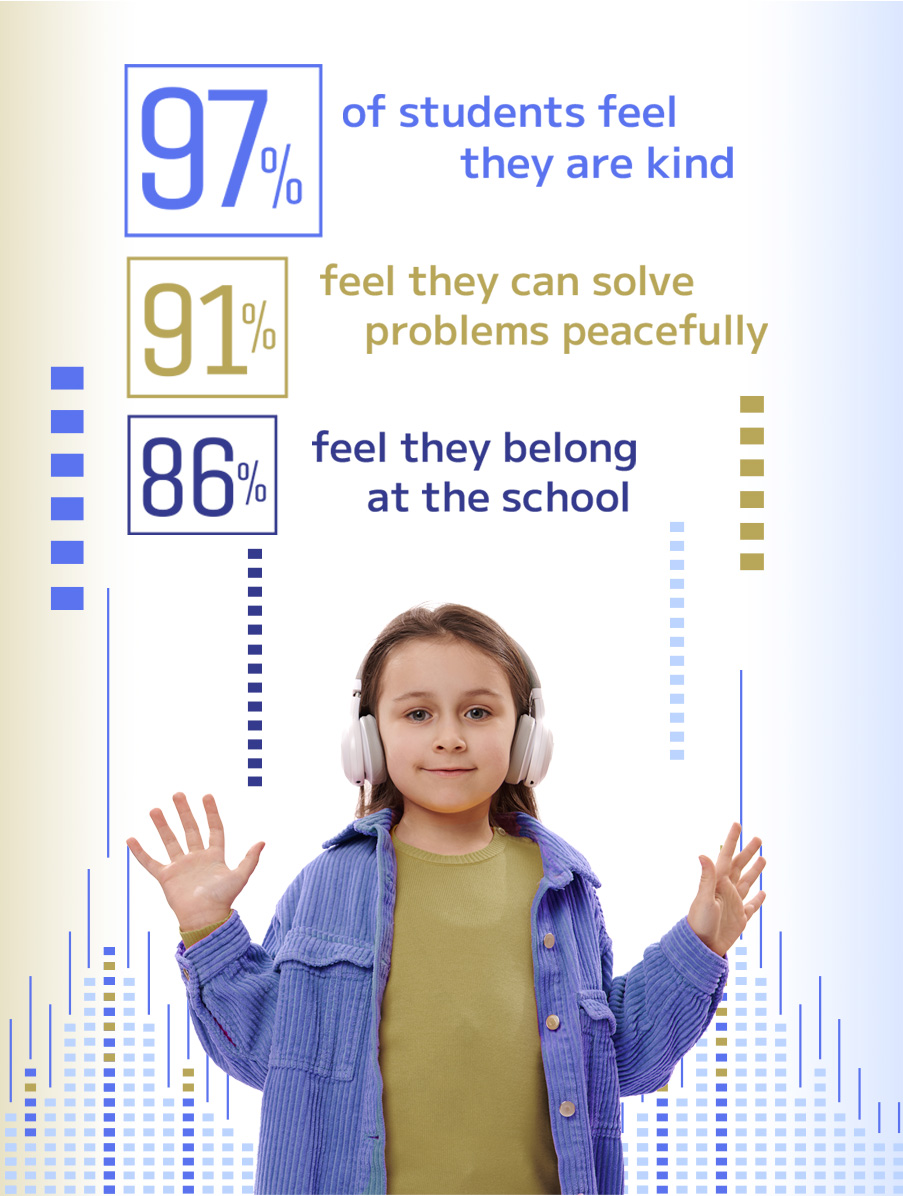
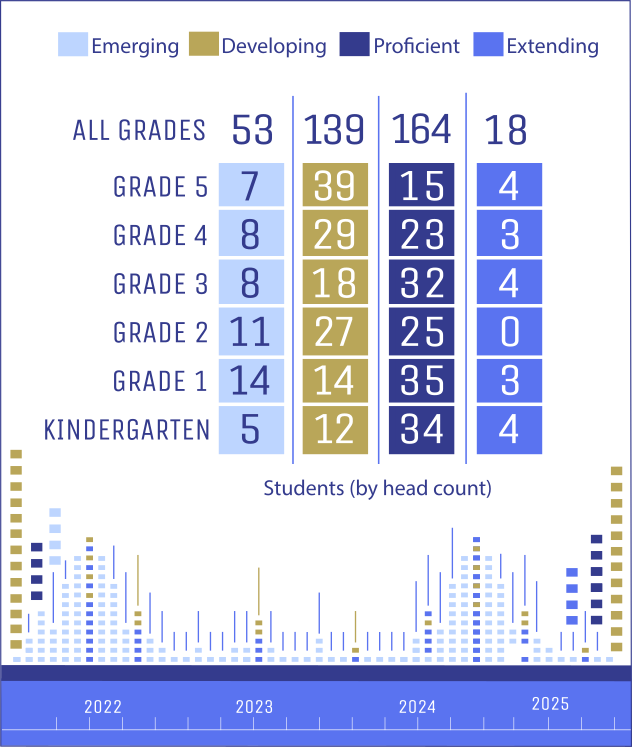
Our onsite events are attended by a small percentage of students who live locally. These students clearly benefit from the social connections formed during their time onsite, which in turn supports their mental health and overall well-being.
We understand that students living outside the Greater Victoria area are generally unable to access these opportunities, creating a known inequity in access to community-building experiences. To help address these challenges, we actively create opportunities for virtual engagement, recognizing the importance of connection in an online learning environment. Our support staff host weekly virtual group sessions, including social gatherings and themed activities such as cooking and craft clubs, which foster community, creativity, and a sense of belonging among students.
In the spring of the 2024 - 20255 school year, we brought on a counsellor to support K - 8 teachers in re-engaging students. The counsellor reached out to families who had not connected with their child’s teacher, helped rebuild those relationships, and provided targeted support to encourage re-engagement. As a result, over 50% of those students resumed active participation in their learning.
As we continue to prioritize the mental health and wellness of our students, our next steps focus on deepening connection, expanding access, and refining our understanding of student needs:
- Expand Community-Building Opportunities
We will continue to grow both in-person and virtual community-building initiatives, ensuring students across BC have meaningful opportunities to connect, collaborate, and belong - regardless of geography. - Strengthen Virtual Wellness Supports
We will build on existing virtual group sessions and wellness resources, expanding offerings that promote mindfulness, social-emotional learning, and mental health literacy across all grades. - Ensure Equity in Access and Belonging
We remain committed to addressing inequities in access to onsite programming and will continue to design inclusive experiences that reflect the diversity of our learners and their families.