SIDES School Goal One S
Support and Improve Mental Health and Wellness for grade 9-12 Learners - most of whom are part-time SIDES students engaged in asynchronous learning.
How can we deepen our understanding of the mental health and wellness needs of our grade 9 - 12 learners and strengthen our capacity to support their well-being through inclusive, flexible, and community-connected practices?
Our grade 9 - 12 student population is composed of two distinct subgroups:
- Part-time students who take most of their courses at a brick-and-mortar school elsewhere in BC, and
- Full-time SIDES students, for whom SIDES is the school of record and primary learning environment.
In addition, adult learners - including both graduates upgrading courses and non-graduates working toward completion - represent a significant portion of our grade 11/12 cohort.
Students choose online learning for a wide range of reasons, which generally fall along a “first choice to last option” continuum.
- “First choice” motivations may include high-performance athletics, academic flexibility, or temporary absence from BC.
- “Last option” circumstances often involve medical fragility, attendance challenges, or mental health concerns.
Each group brings unique pressures and realities that shape their mental health and wellness needs.
While some students thrive in the asynchronous online environment, many struggle with engagement, leading to course completion rates that are notably lower than those in traditional schools. We recognize that some learners seek a sense of community at SIDES, while others - anchored in their home schools - prefer a more transactional relationship with our program.
Given that most learning occurs remotely, it is inherently more challenging to identify and respond to mental health and wellness concerns. Gaps in support may go unnoticed, and opportunities for early intervention are limited.
Our goal and inquiry questions are directly aligned with the district’s strategic priority in Mental Health and Wellness, and our approaches are deeply informed by the First Peoples Principles of Learning, particularly the emphasis on holistic well-being, relational learning, and the importance of belonging.

First Peoples Principles of Learning

The Mental Health and Well-Being Goal needs to ensure that:
The Mental Health and Wellness Goal needs to ensure that learning ultimately supports the well-being of the self, the family, the community, the land, the spirits, and the ancestors. We also need to ensure that learning requires exploration of one’s identity. Our model makes it more challenging to make learning “relational (focused on connectedness, on reciprocal relationships, and a sense of place).” Our learning model makes it easier to embed “patience and time.”
- Promote the Counselling Connections website and ensure it is integrated into course navigation and communications.
- Analyze Brightspace engagement survey data and feedback from students to uncover barriers and unmet needs.
- Continue offering on-site social opportunities (e.g., art club, games club, hiking club) and expand virtual community-building events (e.g., science club, virtual field trips).
- Foster relationships through expanded instructional protocols such as videoconferencing, virtual classes, and teacher-led interviews.
- Maintain flexible course completion timelines (up to one year) to reduce stress and increase accessibility.
- Continue refining courses by using Brightspace tools to design for clarity, manageability, and wellness-sensitive pacing.



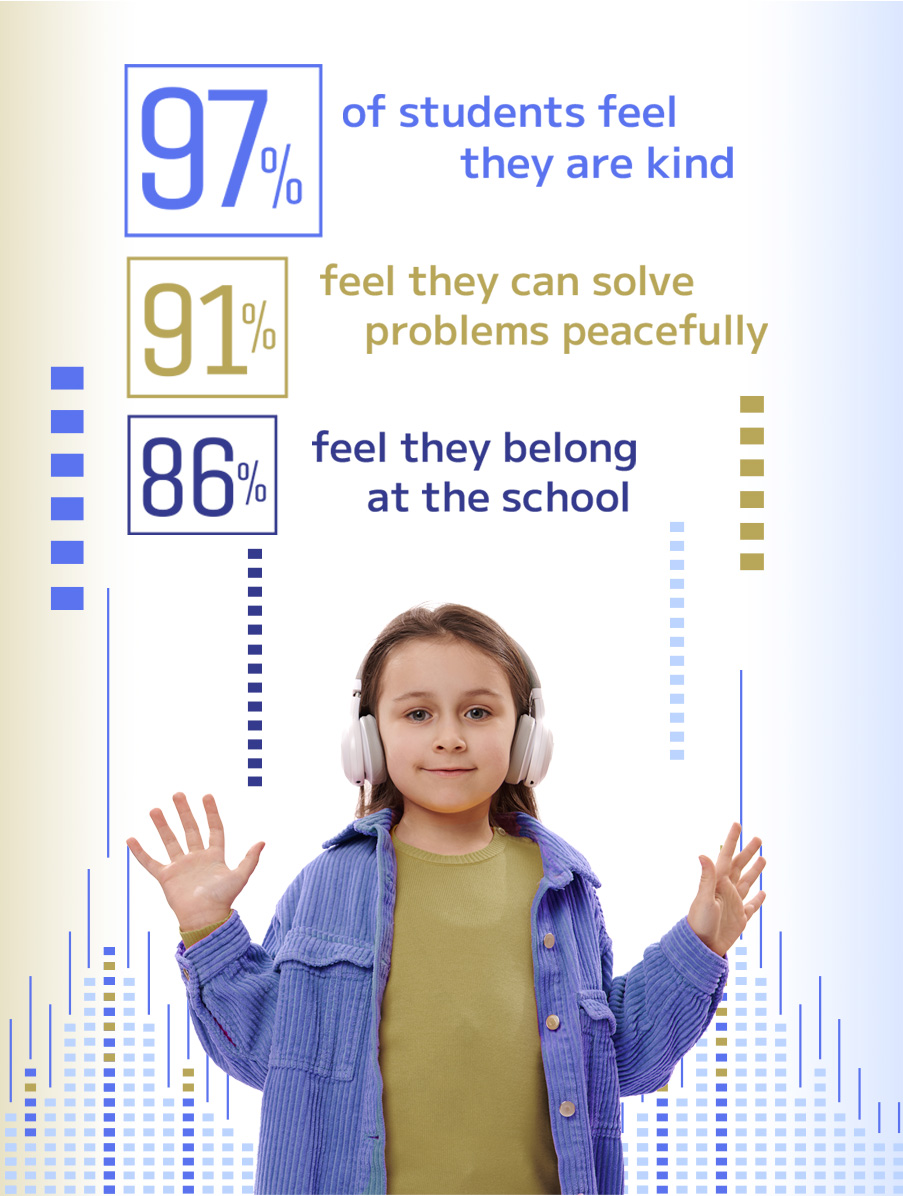
We recognize the importance of understanding student success through data. As part of our ongoing efforts, we continue to find ways to conduct a deeper analysis of course completion rates among our secondary students to identify meaningful patterns - whether across departments, specific courses, or student subgroups. This will help us uncover areas of strength and opportunities for targeted support.
We are also actively leveraging Brightspace tools to enhance communication with students. Features such as automated reminders, personalized messaging, and progress tracking allow us to connect with learners in more timely, relevant, and supportive ways - especially important in an asynchronous environment where students may feel disconnected.
We continue to explore creative ways to engage students through regular check-ins, onsite activities, and outreach to community supports. This helps us foster meaningful connections and build a strong sense of community for every learner.
As we continue to prioritize the mental health and wellness of our grade 9 - 12 learners, our next steps focus on deepening insight, strengthening connection, and expanding responsive supports:
- Analyze Completion Patterns to Inform Support
We will conduct a focused review of course completion data to identify trends across departments, courses, and student subgroups. This will help us better understand where students are thriving and where additional support may be needed. - Enhance Communication Through Brightspace
We will continue to leverage Brightspace tools such as automated nudges, personalized feedback, and progress tracking to foster timely, meaningful communication and reduce feelings of isolation in asynchronous learning. - Expand Virtual Wellness and Community Initiatives
Building on our existing virtual group sessions, we aim to offer more opportunities for students to connect socially and emotionally, including wellness workshops, peer-led groups, and interest-based clubs.