
SIDES School Goal Two E

To increase literacy outcomes for all students.

How can we improve reading proficiency across our K - 8 online learning community, implement targeted instructional strategies, enhance access to high-quality texts, and support home facilitators in delivering effective reading support?
Our K - 8 program supports full-time students who progress synchronously through coursework from September to June. Learning is delivered remotely, with home facilitators, typically parents or caregivers, playing a central role in guiding instruction and supporting daily learning. Families choose online education for various reasons, including the flexibility it offers and the ability to tailor pacing to individual student needs. Many students engage with SIDES on a transitional basis, often for one to two years, rather than as a long-term placement. Because students are not part of a shared physical classroom, reading engagement and development can vary significantly. Key factors influencing literacy growth include the level of facilitator involvement, access to appropriate materials, and individual student motivation.
This goal and focused inquiry question aligns directly to our district strategic priority in Literacy. Additionally, our intended approaches are deeply connected to First Peoples Principles of Learning.

First Peoples Principles of Learning

The Literacy Goal needs to ensure that:
- Learning is holistic, reflexive, reflective, experiential, and relational (focused on connectedness, on reciprocal relationships, and a sense of place).
- Learning is embedded in memory, history, and story.
- Provide leveled reading materials and digital libraries aligned with curriculum outcomes
- Offer scaffolded literacy support tailored to student needs, including: Read-aloud tools; Word processors for editing; Google Read&Write: Audiobooks when appropriate.
- Use diagnostic tools to assess reading levels and personalize instruction
- Embed reading tasks across subject areas to strengthen comprehension and vocabulary
- Share reading strategies and resources with home facilitators to support guided and independent reading
- Engage in professional development and district-wide literacy initiatives focused on reading instruction and assessment



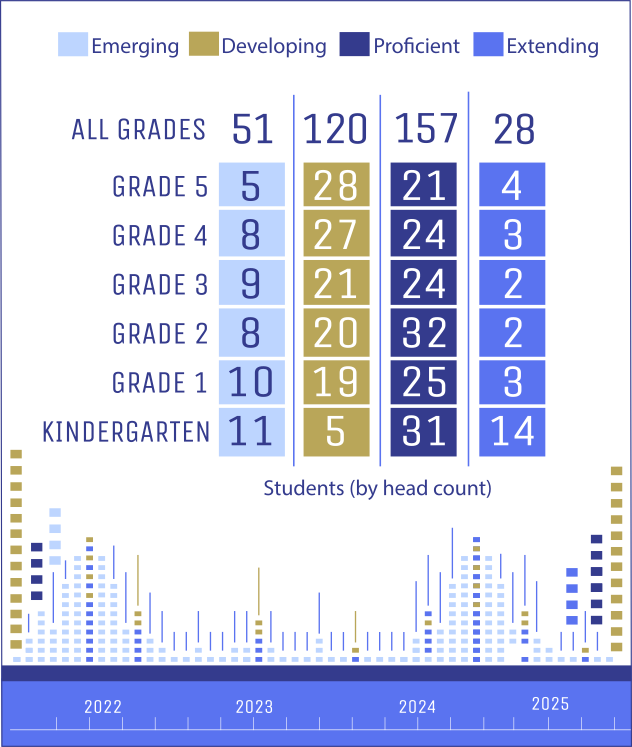
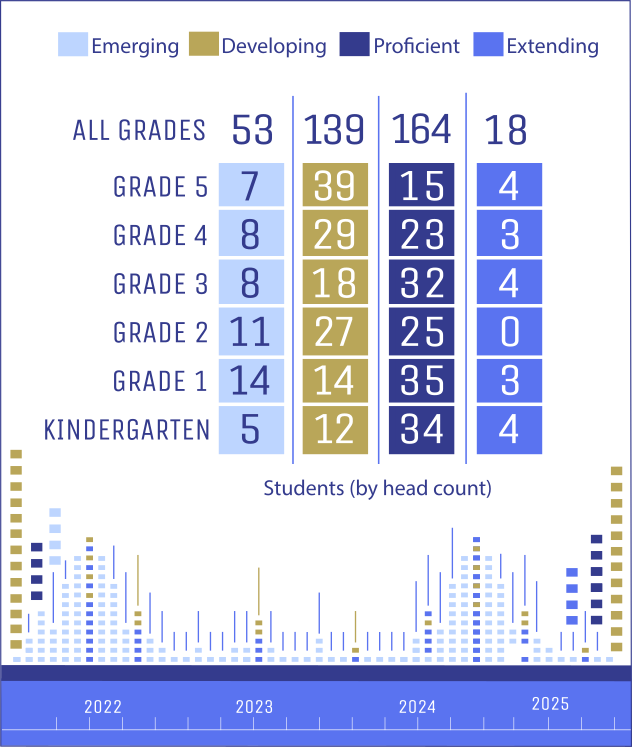
Teachers report a growing use of formative assessments, including the District Literacy Assessment, to monitor student progress; however, challenges persist in providing individualized feedback in a remote learning environment. To support literacy development, reading and writing strategies are intentionally embedded throughout lesson content, helping students build essential skills over time.
In addition, learning sessions for parents are facilitated to explore key topics such as establishing a productive home learning environment, understanding how children learn to read in the primary grades, and supporting foundational writing development. When parents gain insight into the rationale behind instructional approaches, they are more likely to engage with available resources and actively support their child’s learning journey.
- Enhance tools for tracking reading and writing progress and informing instructional decisions.
- Continue to refine remote reading practices to ensure consistent growth across all grade levels.
- Strengthen collaboration with home facilitators through instructional guides and regular updates.
- Embed Saanich Digital Literacy framework across all K - 8 classrooms, focusing on the essential building blocks students need to confidently and responsibly navigate the digital world.